
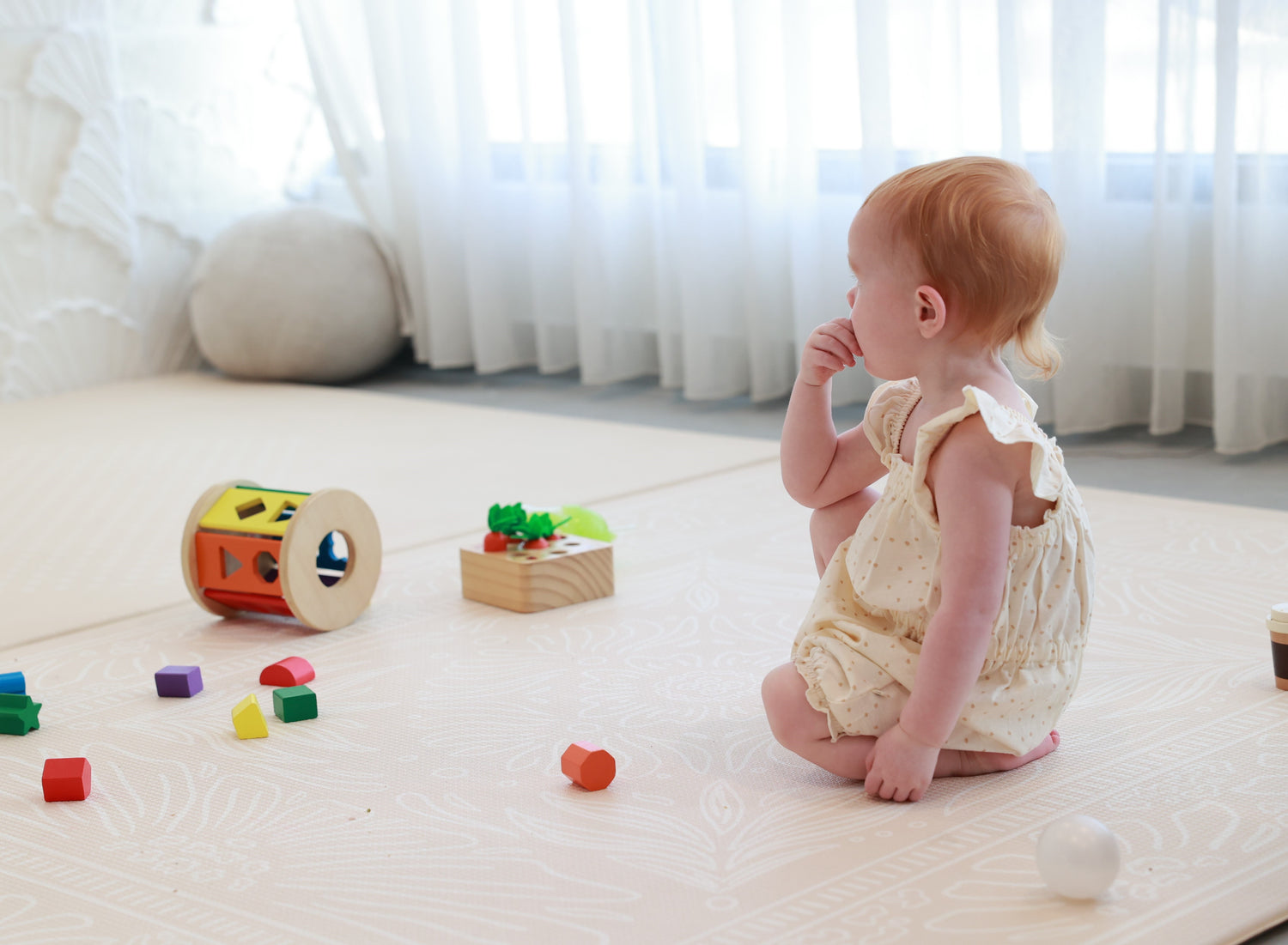

As parents, creating a safe and comfortable environment for your little one is always a top priority. From tummy time to crawling adventures, babies spend a lot of time exploring the world from the floor. That’s why choosing the right baby play mat is so important. One question many parents ask before buying one is: Are playmats for baby slippery?
The answer depends on the type of mat, the material used, and the surface underneath it. While most modern playmats for baby are designed with baby safety in mind, some can still become slippery if not used correctly. Understanding the causes of slipping and learning a few simple safety tips can help parents create a safer play space for their child.
At Milk It Baby, we know that parents want products that combine comfort, safety, and practicality. This guide will help you understand what to look for in a safe baby mat and how to prevent slips during playtime.
Why Babies Need a Play Mat
A baby play mat is more than just a soft surface on the floor. It gives babies a dedicated area where they can safely practice important developmental skills like tummy time, rolling, crawling, sitting, and eventually standing.
Playmats also help protect babies from cold or hard flooring surfaces. Many mats include colorful designs, textures, and toys that encourage sensory development and stimulate curiosity.
As babies grow more active, the quality and safety of the mat become even more important. A poorly designed or slippery baby mat can create unnecessary risks during play.
Are Playmats for Baby Slippery?

Some playmats for baby can become slippery under certain conditions, especially on smooth flooring such as tiles, hardwood, marble, or laminate. Lightweight mats without anti-slip backing may slide around when babies move, kick, or crawl.
In addition, waterproof mats can sometimes feel slick if moisture remains on the surface after cleaning or spills. Babies who are learning to crawl or stand may lose traction if the surface is too smooth.
The good news is that many high-quality baby play mat options are specifically designed with textured surfaces and non-slip materials to improve grip and stability.
What Causes a Baby Mat to Slip?
Understanding what makes a baby mat slippery can help parents avoid accidents and choose safer products.
Smooth Flooring
Hard and polished floors naturally provide less friction, making it easier for mats to slide during active play.
Moisture and Spills
Drool, milk, water, or cleaning products left on the mat or floor can create a slippery surface.
Thin or Lightweight Mats
Very thin mats may move more easily as babies roll, crawl, or push against them.
Lack of Non-Slip Features
Some budget-friendly playmats for baby may not include textured backing or grip support.
Worn-Out Materials
Over time, older mats may lose their grip or develop curled edges that can become a tripping hazard.
How to Choose a Safe Baby Play Mat
Choosing the right baby play mat can make a big difference in both comfort and safety. Here are some important features parents should look for.
1. Non-Slip Backing
One of the most important safety features is a non-slip base. A mat with textured or rubberized backing stays in place better and reduces movement on smooth floors.
2. Thick Cushioning
A thicker baby mat helps absorb impact and provides extra support as babies learn to sit, crawl, and walk.
3. Soft but Supportive Surface
The surface should feel comfortable without being overly slippery. Babies need enough grip to move confidently during tummy time and crawling.
4. Easy-to-Clean Material
Babies can be messy, so easy cleaning is essential. Waterproof mats are convenient, but they should dry quickly to maintain traction.
5. Safe and Non-Toxic Materials
Parents should choose playmats for baby made from BPA-free, phthalate-free, and non-toxic materials to ensure a healthier play environment.
6. Durable Design
A high-quality baby play mat should withstand daily use without tearing, flattening, or curling at the edges.
Safety Tips for Parents

Even with a high-quality mat, safe usage is important. Here are a few simple ways to make playtime safer for your little one.
Keep the Floor Clean and Dry
Always place the mat on a dry surface and wipe away spills immediately.
Inspect the Mat Regularly
Check for damage, loose seams, or curled corners that may create hazards.
Avoid Dangerous Areas
Do not place the mat near stairs, heaters, or furniture with sharp edges.
Supervise Playtime
Babies should always be supervised during tummy time and active play.
Use Extra Grip if Needed
If the mat still slides, place a non-slip rug pad underneath for additional stability.
Are Foam Playmats for Baby a Good Choice?
Foam playmats for baby are a popular option because they are soft, lightweight, and comfortable. Many foam mats feature textured surfaces that improve grip and reduce slipping.
High-quality foam mats also provide excellent cushioning for babies learning to roll, crawl, or walk. However, parents should always choose foam mats made from safe, non-toxic materials.
At Milk It Baby, we recommend selecting a baby mat that balances softness, safety, durability, and ease of cleaning.
Conclusion
A baby play mat can create a safe and comfortable space where your little one can grow, explore, and play confidently. While some playmats for baby may become slippery depending on the flooring and material, choosing a high-quality mat with non-slip features can greatly improve safety.
By keeping the play area clean, checking the mat regularly, and supervising your baby during playtime, you can reduce risks and create a more secure environment for everyday adventures.
At Milk It Baby, we believe every baby deserves a safe place to learn, play, and thrive. Choosing the right baby mat is one small step that can make a big difference in your child’s comfort and development.